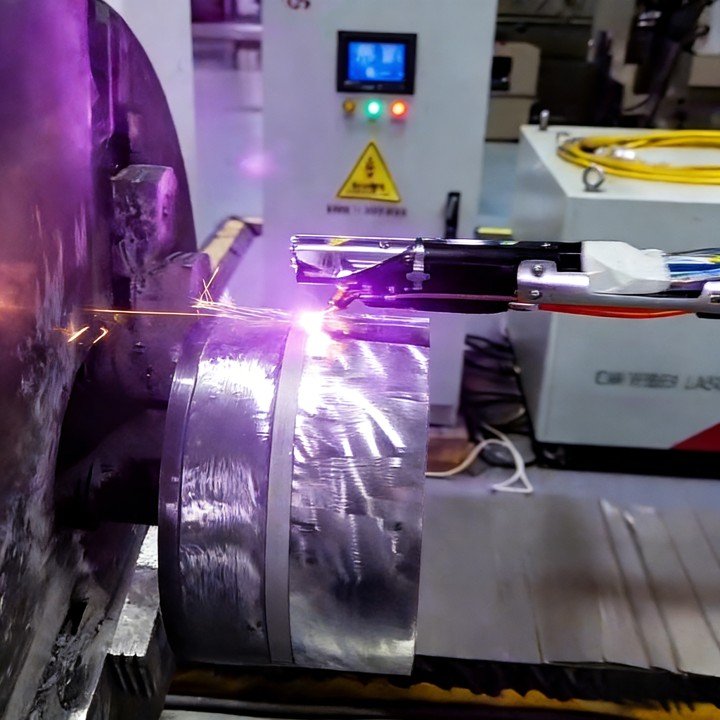
Laser Cladding Solutions for High-Performance Surface Engineering
Advanced coaxial powder and wire deposition systems for precision additive manufacturing and surface restoration.
Process Overview
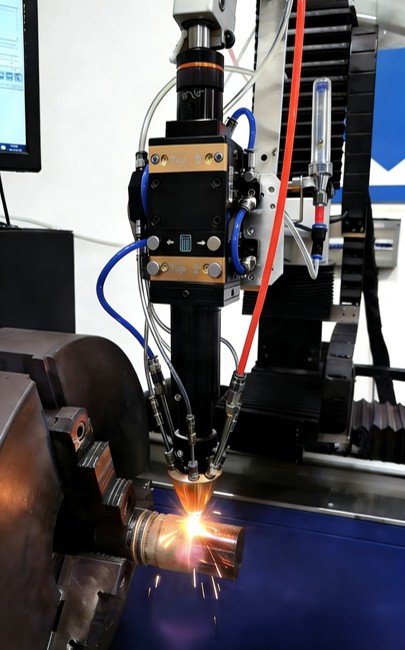
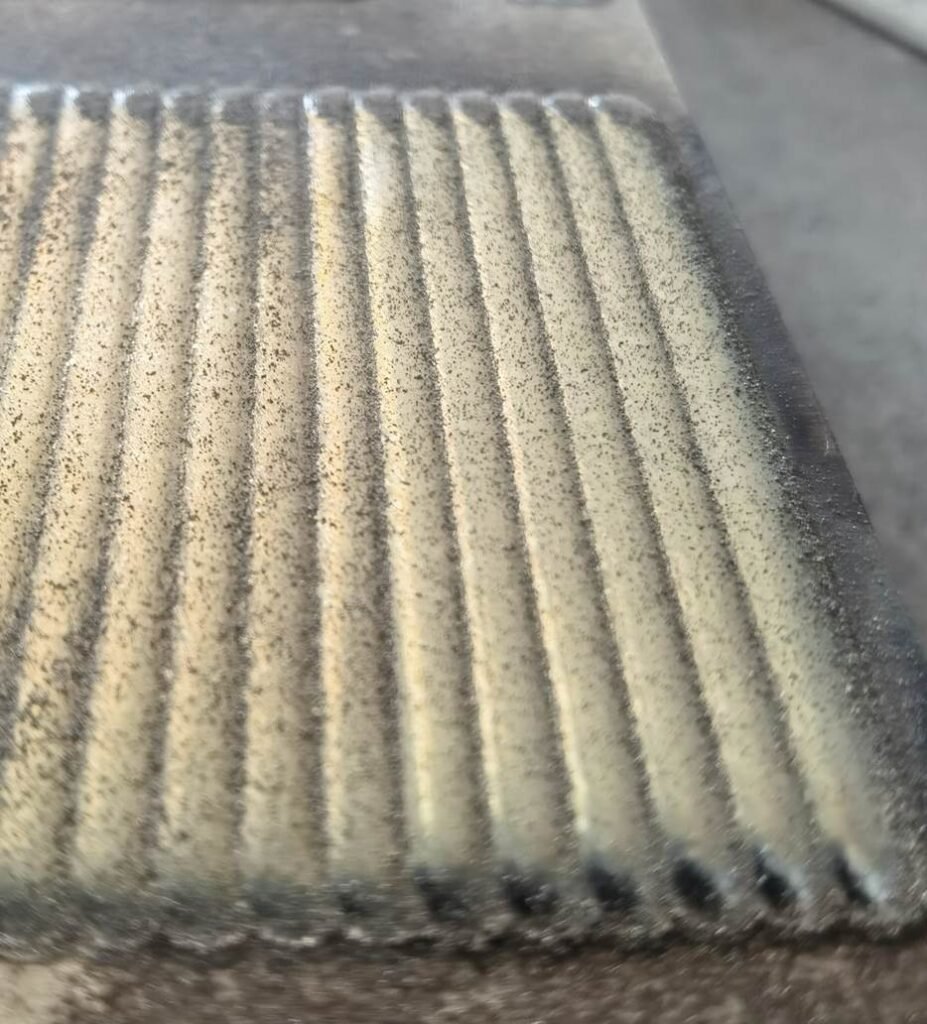
Laser cladding is an advanced surface engineering process that uses a high-energy laser beam to melt metallic powder or wire onto a substrate, forming a metallurgically bonded coating layer.
Compared with traditional welding and thermal spraying, laser cladding provides:
Lower dilution rate
Minimal heat-affected zone
Superior bonding strength
Precise material control
High deposition efficiency
It is widely used in repair, reinforcement, surface modification, and additive manufacturing of critical industrial components.
Advantages of Laser Cladding
Precision Energy Control
Stable laser beam transmission ensures controlled melt pool formation and consistent coating quality.
High Powder Utilization
Optimized coaxial powder delivery improves deposition efficiency and reduces material waste.
Flexible Material Compatibility
Supports stainless steel, nickel alloys, cobalt alloys, tool steels, and composite powders.
Automated Integration
Easily integrated with robotic systems and CNC platforms for 3D deposition.

Core Technologies Behind Stable Laser Cladding
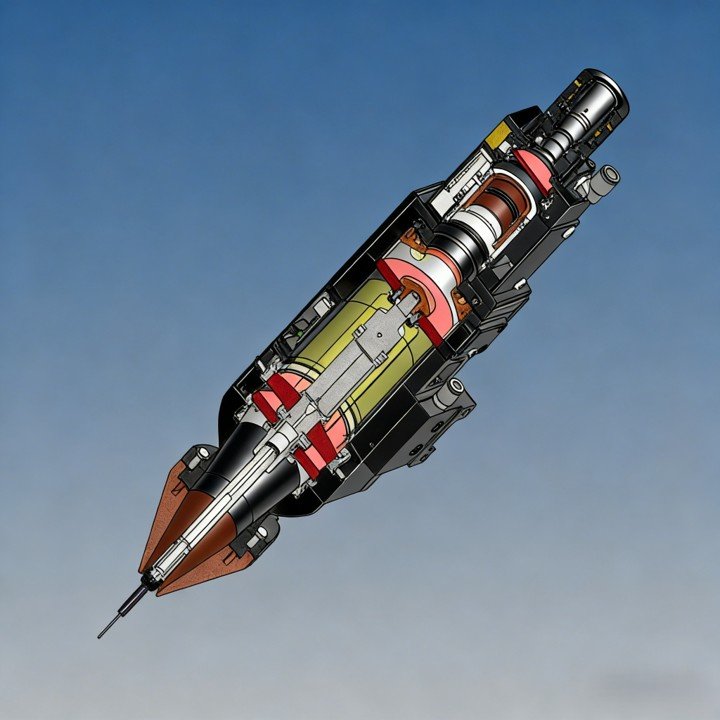
Coaxial Powder Nozzle Design
Integrated Wire & Powder Deposition Capability
Fully Water-Cooled Optical Structure
Stable Beam Collimation and Focusing
Modular Fiber Interface Compatibility (QBH / QD / Q+)
Typical Applications
Laser cladding is widely applied in:
Hydraulic cylinder repair
Mining and drilling components
Mold surface enhancement
Automotive component reinforcement
Aerospace structural repair
Additive manufacturing of complex geometries
Explore Our Laser Cladding Products
Coaxial Powder Deposition Head
Integrated Wire & Powder Deposition Head
Inner Bore Cladding Head
Powder Feeders
Ring Nozzles
Nipex Laser provides modular core components and integrated laser head solutions for system integrators and industrial equipment manufacturers. Our laser cladding systems are engineered for reliability, precision, and long-term performance under high-power operation.